Snorkelling and Diving in Hurghada: A Beginner's Guide
Not a strong swimmer? Never dived before? This guide explains the difference between snorkelling and diving, and how to start safely.
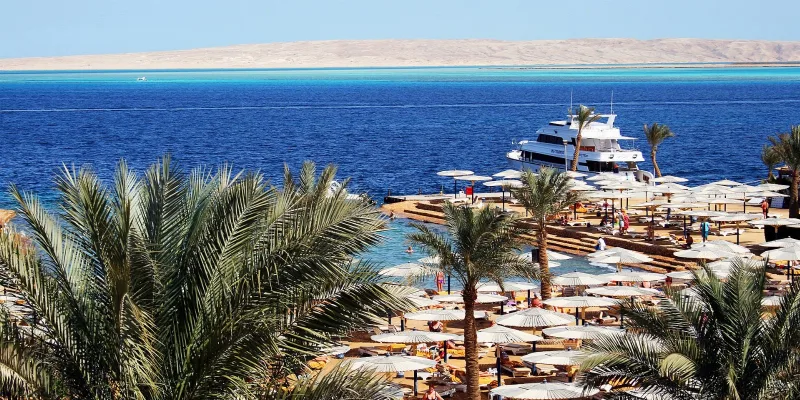
The Red Sea is one of the five best places on earth to see coral, and Hurghada makes it easy to reach: the nearest reef is twenty minutes from the harbour. Here is what you need to know if this is your first time.
What is the difference between snorkelling and diving?
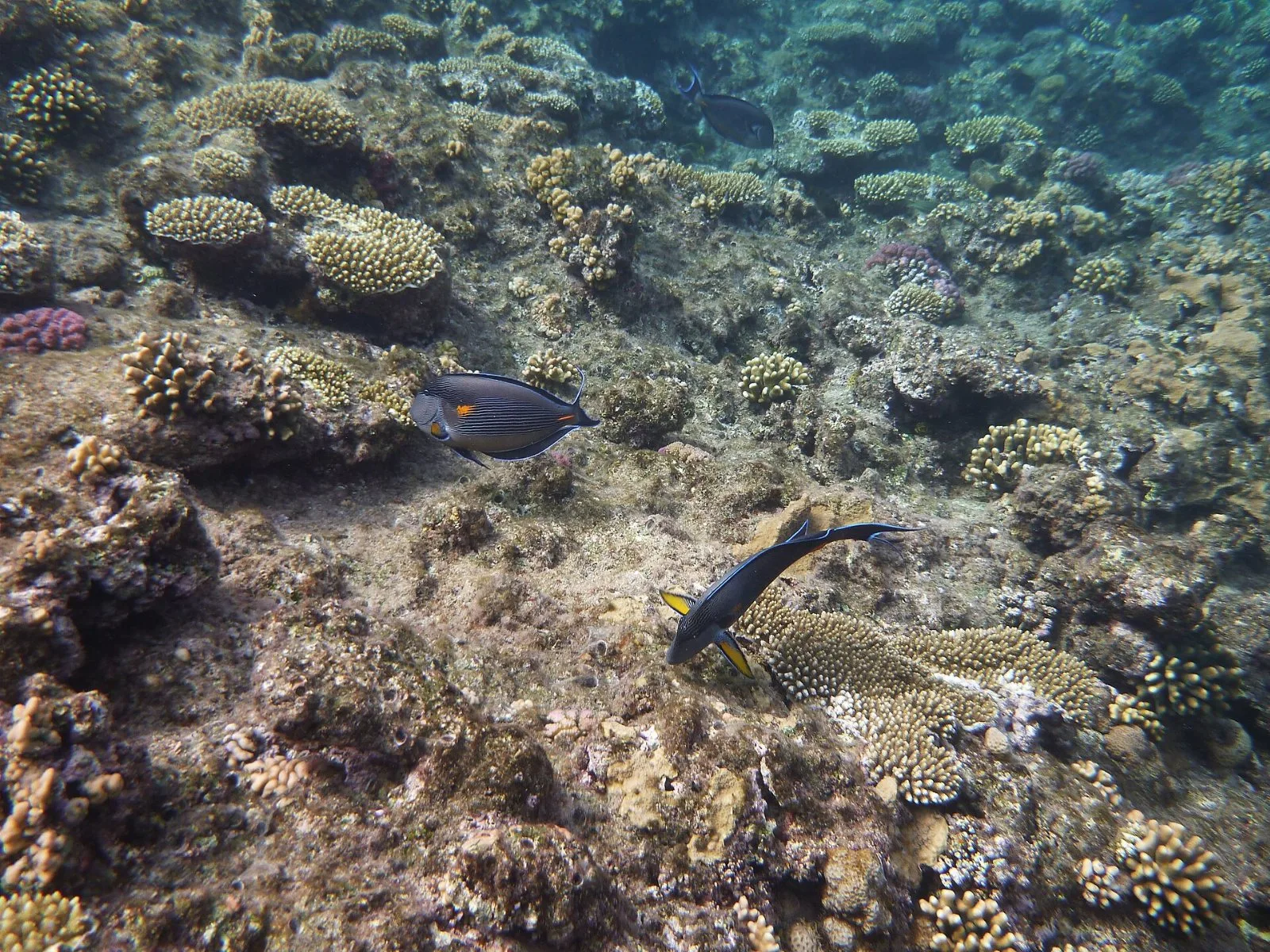
Snorkelling means floating on the surface with a mask, a snorkel and fins, looking down. It needs no training and no heavy equipment, and you see the reef from 2–5 metres away — which is plenty, because most Red Sea coral life sits close to the surface.
Scuba diving means carrying a tank of air and going under. You see more detail and bigger fish, but it requires a briefing, practice and an instructor with you.
Do I need to be able to swim?
For snorkelling: not necessarily. Every trip provides a life jacket, and a supervisor can go in with you and hold on. Plenty of our guests see the reef for the first time wearing a life jacket and unable to swim at all.
For an intro dive: also no. On the intro dive for beginners the instructor holds you for the whole dive, and no swimming skill is required.
What is a first dive like?
It starts with a short theory briefing on the boat: how to breathe from the regulator (simply: breathe normally through your mouth), how to equalise your ears (pinch your nose and blow gently), and the basic hand signals. Then you go into shallow water to try breathing.
The dive itself goes to 6–8 metres and lasts 25–30 minutes. The sentence we hear most afterwards: "I was nervous for no reason."
What will you see?
Clownfish in anemones, butterflyfish and parrotfish, table and brain corals, and sometimes turtles and rays. Wild dolphins are a different matter — for those you need to go specifically to Dolphin House.
Five rules that protect the reef (and you)
- Never touch the coral. It is not rock — it is a living animal, and one touch can kill something that took years to grow.
- Never stand on the reef. Use your fins and stay horizontal.
- Use reef-safe sunscreen, or wear a rash vest instead of it.
- Do not feed the fish. It changes their behaviour and damages the ecosystem.
- Take nothing home. Removing coral or shells from the sea is against the law in Egypt.
Where to start
If you have never tried: start with a snorkelling day such as the Orange Bay trip. Enjoyed it? Try the intro dive the next day. And if you are already certified, the two-dive boat trip is what you are looking for.
For anyone who would rather not get in the water at all, there is an answer: the Sindbad submarine descends to 22 metres and gives every passenger their own window.